If you've been told that a varicose vein needs to be closed, you might be wondering what happens to the vein afterward. And if the vein is no longer carrying blood, how does your circulation continue to work normally?
In short, when an unhealthy vein is appropriately closed, your body redirects the blood through other, healthier veins. The treated vein gradually shrinks and is eventually absorbed by the body.
Understanding what happens after vein treatment can make the process seem less mysterious.
Why Would a Vein Be Closed?
Healthy veins contain valves that help keep blood moving toward the heart. When those valves become damaged or stop working properly, blood can flow backward and collect in the leg. This is called venous reflux, which can contribute to varicose veins, swelling, aching, heaviness, and other symptoms.
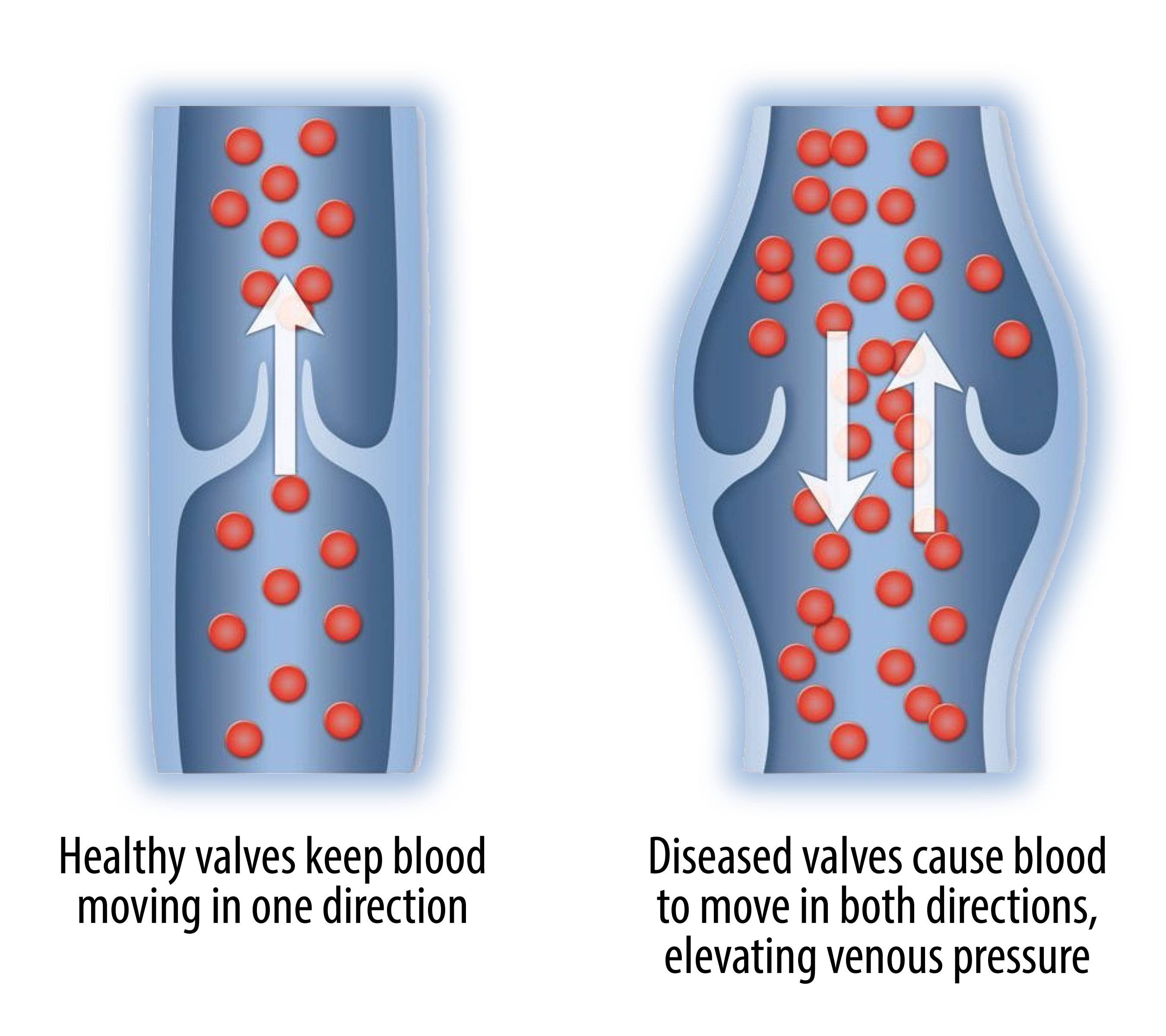
If a vein is allowing significant reflux, closing that vein can eliminate the pathway. But rather than remove a vein that your leg needs, the goal is to close a diseased vein — allowing blood to use healthier pathways instead.
Where Does the Blood Go?
Your legs contain an extensive network of veins, including superficial veins, deep veins, and connecting veins. The deep venous system carries the majority of blood back toward the heart. When a diseased vein is closed, blood is naturally redirected into other functioning veins.
Think of it like closing a road. Traffic doesn't disappear; it takes other available routes. In the same way, blood that was traveling through a diseased vein can be redirected through healthier ones.
What Happens to the Vein Itself?
What happens to the vein depends on the treatment used, but the basic process is similar.
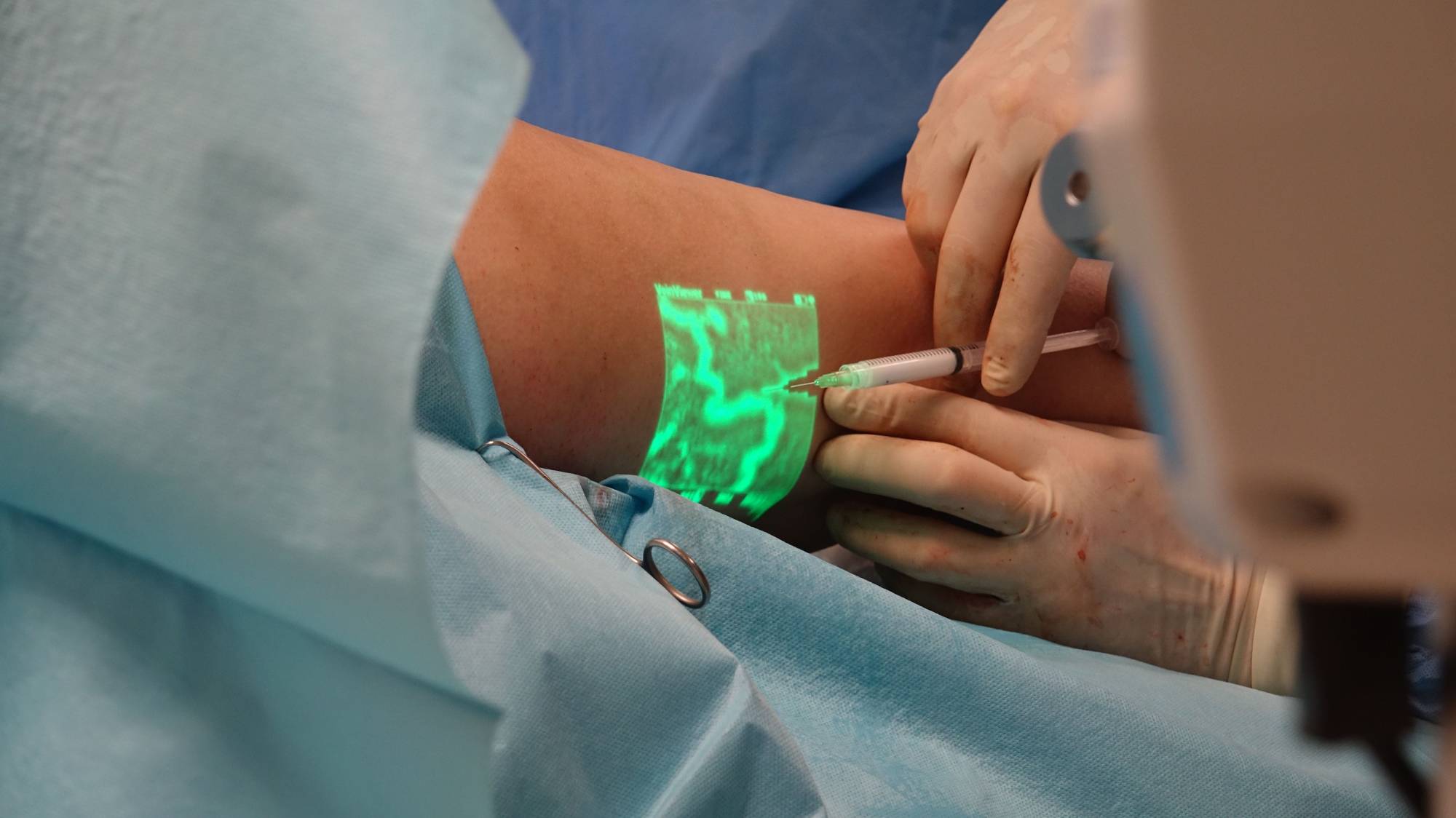
With endovenous ablation, heat or another form of energy is used to close the diseased vein. The walls of the vein collapse and seal together. With sclerotherapy, a medication is injected into the vein that causes it to close and eventually be reabsorbed. With phlebectomy, certain varicose veins are physically removed through tiny punctures in the skin.
For veins that are closed rather than physically removed, the body gradually breaks down the treated tissue. Over time, the vein typically becomes smaller, less noticeable, and is eventually replaced by scar-like tissue that the body naturally processes.
This process can take weeks to months, depending on the vein and the treatment used. Patients may sometimes notice a firm or cord-like area along the path of a treated vein during healing. This is part of the normal response as the vein closes and the body processes it.
Does Closing a Vein Improve Circulation?
In the right patient, closing a vein can improve the way blood flows through the venous system. A diseased vein allows blood to move backward, increasing pressure in the lower leg. Closing that abnormal pathway eliminates the reflux through that vein, and the remaining veins carry the blood back toward the heart.
The purpose of treatment isn't simply to make a varicose vein disappear. It addresses the underlying abnormal blood flow that may be contributing to symptoms and visible veins.
Can the Vein Come Back?
A successfully closed vein generally does not reopen and return to its original condition. A nearby vein may eventually develop reflux and become enlarged, making it seem like a treated vein has returned. That's one reason follow-up evaluation is helpful if new symptoms or visible veins develop.
If you're noticing symptoms like these, a consultation with Thunderbird Vein can determine whether you're a candidate for treatment and which approach fits your situation. Understanding what happens to a vein after it's closed can help explain why these procedures can improve symptoms and the appearance of the legs — without compromising normal circulation.
This article has been reviewed by Dr. Jordan Glenn. It is intended for general educational purposes and is not a substitute for individualized medical advice.