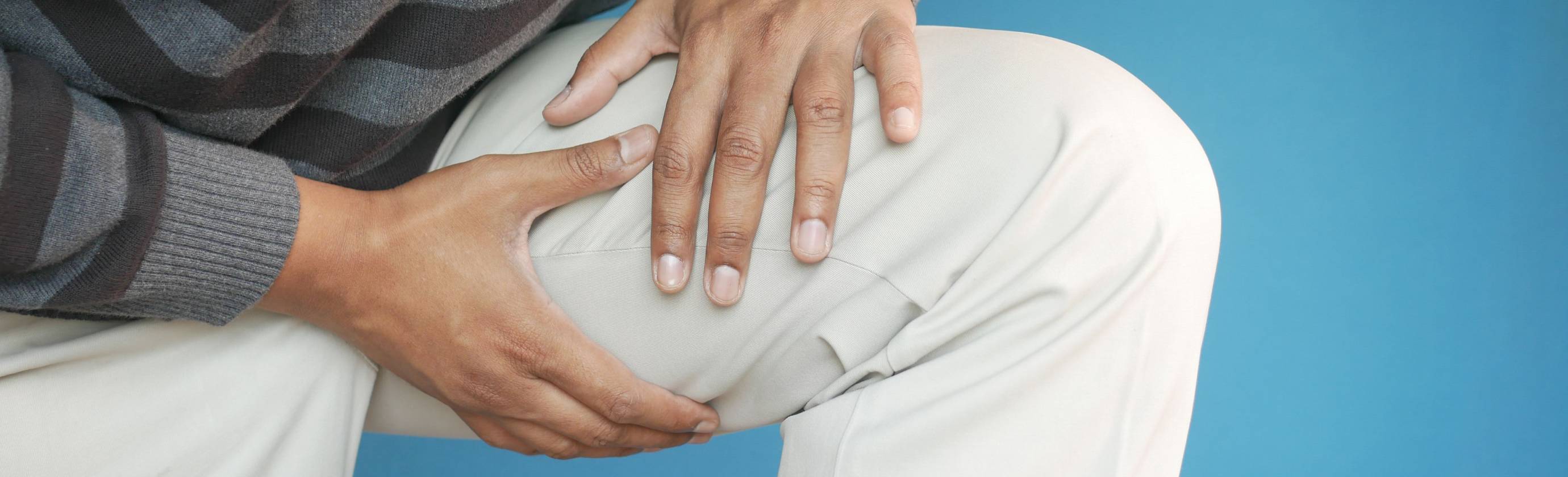
What Causes Leg Aching And Heaviness?
Legs that ache, feel heavy, or seem unusually tired can make everyday activities more difficult. For some people, the discomfort is simply the result of physical activity or spending a long day on their feet. For others, persistent aching and heaviness can be a sign of an underlying problem with the veins. Your veins have the important job of carrying blood from your legs back toward your heart.
Because they have to move blood upward against gravity, they depend on one-way valves and the muscles in your legs to keep blood moving in the right direction.
When those valves become weak or damaged, blood can flow backward and pool in the legs. This is called venous reflux. The resulting increase in pressure can cause the legs to feel heavy, tired, achy, or full. If your legs regularly feel worse at the end of the day, particularly after prolonged standing or sitting, venous disease may be contributing to your symptoms.
Why Can Vein Problems Cause Leg Aching and Heaviness?
Healthy leg veins work against gravity to return blood to the heart. Small valves inside the veins open to allow blood to move upward and close to prevent it from flowing backward.
When these valves stop working properly, blood can collect in the lower legs. This increases pressure within the veins and surrounding tissues.
Over time, that pressure can contribute to aching, heaviness, swelling, cramping, itching, and other uncomfortable sensations.
Standing can make these symptoms more noticeable because gravity increases the pressure on the veins. Walking often helps because the calf muscles contract and act like a pump, helping move blood upward.
This is why someone with venous disease may feel relatively comfortable in the morning but notice that their legs become increasingly tired, heavy, or achy as the day goes on.
What Does Vein-Related Leg Heaviness Feel Like?
People describe venous leg heaviness in different ways. Some say their legs feel tired or fatigued, while others describe a sensation of fullness, pressure, or weight in their calves.
You may feel as though your legs are working harder than they should, even after relatively normal activity. Your legs may also feel stiff, sore, or uncomfortable after standing for several hours.
Aching may be dull and persistent rather than sharp. Some people notice throbbing or a feeling of pressure around visible varicose veins.
Leg heaviness and aching may also occur alongside swelling, itching, burning, cramping, spider veins, or varicose veins.
One of the most common patterns is for symptoms to become progressively worse throughout the day and improve after walking, resting, or elevating the legs.
Is Leg Heaviness a Sign of Vein Disease?
It can be. A feeling of heaviness or fatigue in the legs is one of the common symptoms of chronic venous disease.
The likelihood that your veins are contributing increases when the heaviness occurs alongside other symptoms such as swelling, aching, cramping, itching, spider veins, or varicose veins. The timing of the symptoms can also provide an important clue. Venous symptoms often become worse after prolonged standing or sitting and may improve when you walk or elevate your legs.
If your legs consistently feel heavy or achy by the end of the day, particularly if you spend much of your day on your feet, it may be worth having your veins evaluated.
Who Is Most Likely to Develop Vein-Related Leg Aching?
Anyone can develop chronic venous disease, but certain factors increase the likelihood.
Age: Vein valves can become less effective over time, making venous reflux more common.
Family history: Genetics play an important role in the development of varicose veins and chronic venous disease.
Prolonged standing: Jobs that require you to stand for much of the day can increase pressure within the veins of the legs.
Prolonged sitting: Sitting for extended periods can reduce the muscle activity that helps move blood through the veins.
Pregnancy: Increased blood volume, hormonal changes, and pressure on the veins can contribute to venous problems.
Excess weight: Additional pressure can make it more difficult for blood to return efficiently from the legs.
Previous blood clots: A history of deep vein thrombosis can damage the valves inside the veins and contribute to chronic venous insufficiency.
How Are Leg Aching and Heaviness Diagnosed?
A vein evaluation typically begins with a physical examination and discussion of your symptoms. Your provider may ask when your legs feel heavy or achy, whether standing makes the symptoms worse, and whether walking or elevating your legs provides relief.
Your legs may also be examined for varicose veins, spider veins, swelling, skin discoloration, or other signs of chronic venous disease.
A lower-extremity venous ultrasound can provide a detailed look at the veins beneath the skin. Ultrasound can show how blood is moving through the veins and identify abnormal backward blood flow, or venous reflux.
This can help determine whether an underlying vein problem is contributing to your symptoms.
If the ultrasound does not show significant venous disease, your provider can consider other potential causes of the aching or heaviness.
Treatments
Treatment depends on what is causing your symptoms. If venous reflux is responsible, treating the unhealthy veins can reduce the abnormal pressure that is contributing to discomfort.
Endovenous Ablation
Endovenous ablation is a minimally invasive treatment used to close an unhealthy vein that is allowing blood to flow backward. Using ultrasound guidance, a small catheter is inserted into the affected vein. Energy is then used to seal the vein closed. Once the problematic vein is closed, blood naturally redirects through healthier veins. The procedure generally requires only a small access point and typically involves much less recovery than traditional surgical vein removal.
Sclerotherapy
Sclerotherapy is commonly used to treat smaller varicose veins, reticular veins, and spider veins. A specialized solution is injected into the affected vein, causing it to close. The body gradually absorbs the treated vein while blood is redirected through healthier vessels. Sclerotherapy may be used to treat visible veins that remain after an underlying source of venous reflux has been addressed.
Vein Surgery
Some patients have larger or more complex varicose veins that require a surgical approach. Modern vein procedures are much less invasive than traditional vein surgery, and the appropriate technique depends on the size, location, and condition of the affected veins.
Your provider can determine which treatment is appropriate based on your examination and ultrasound findings.
Can Leg Aching and Heaviness Be Prevented?
There is no guaranteed way to prevent chronic venous disease, particularly when genetics and age are contributing factors. However, several habits can support healthy circulation and may help reduce symptoms.
Regular walking and exercise activate the calf muscles, which help push blood back toward the heart. If you spend much of the day standing, changing positions and taking short walking breaks can help keep blood moving.
If you spend much of your day sitting, getting up and walking periodically can also support circulation. Maintaining a healthy weight can reduce pressure on the veins. Elevating your legs when resting may help relieve pressure and swelling, while compression stockings can help manage symptoms for some people.
These measures may improve symptoms, but they do not repair damaged vein valves or eliminate venous reflux.
When Should You See a Vein Specialist?
Consider having your legs evaluated if they regularly feel heavy, tired, or achy, particularly if the symptoms become worse as the day goes on.
An evaluation is especially worthwhile if the aching or heaviness occurs along with swelling, varicose veins, spider veins, itching, cramping, or changes in the skin around your ankles and lower legs.
You don't have to wait until your symptoms become severe. Persistent leg discomfort can interfere with work, exercise, travel, and everyday activities, and identifying the underlying cause is the first step toward determining whether treatment can help.
At Thunderbird Vein, we use diagnostic ultrasound to evaluate the veins beneath the skin and identify problems with blood flow when appropriate. If venous reflux is contributing to your symptoms, treatment may include endovenous ablation, sclerotherapy, or vein surgery, depending on your individual condition.
Legs that constantly feel heavy or achy aren't necessarily something you have to accept as a normal part of getting older. If your symptoms consistently worsen after standing or sitting and improve when you move or elevate your legs, your veins may be contributing. A vein evaluation can help identify the cause and determine whether modern, minimally invasive treatment can help.

Schedule a consultation today
Enter your information below and we'll call you to schedule a consult.