What is Endovenous Ablation?
Endovenous ablation is considered the gold standard treatment for many cases of varicose veins caused by chronic venous insufficiency. Rather than removing the diseased vein through surgery, this minimally invasive procedure seals the vein from the inside, allowing blood to reroute through healthy veins with properly functioning valves. This improves circulation while relieving many of the symptoms associated with vein disease, including aching, heaviness, swelling, cramping, and fatigue.
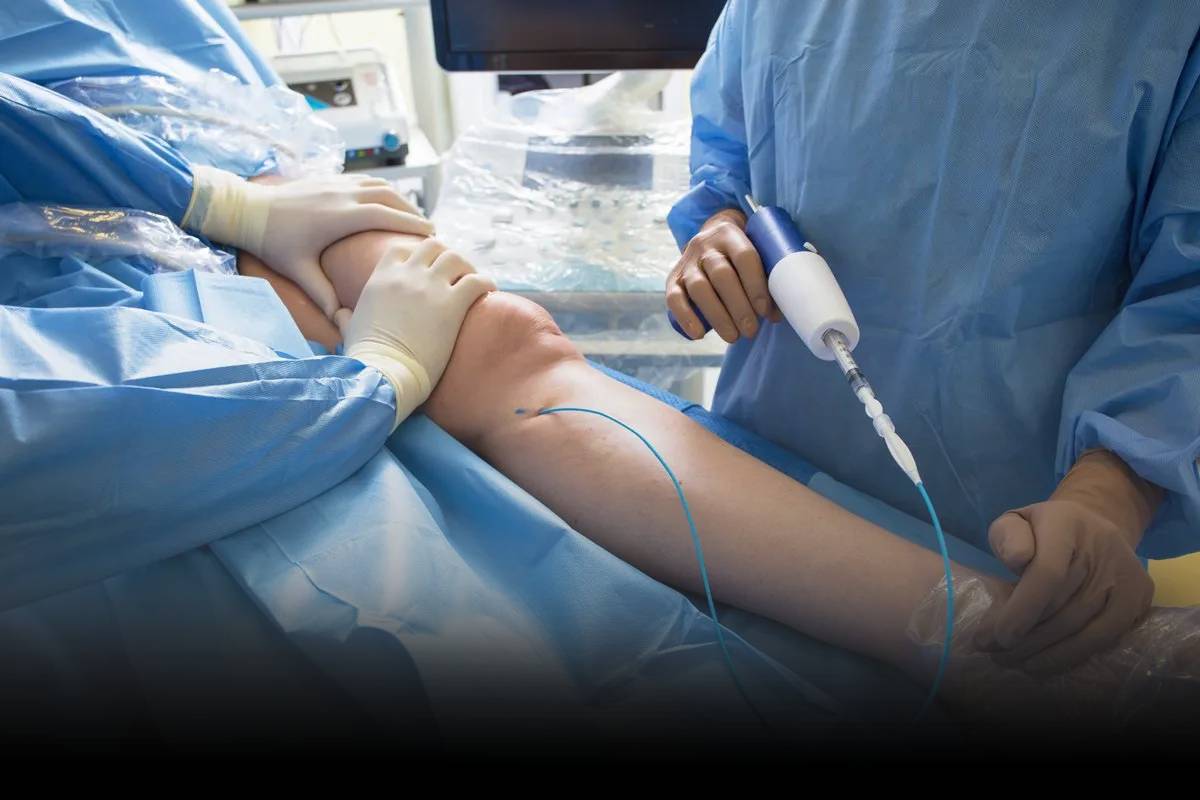
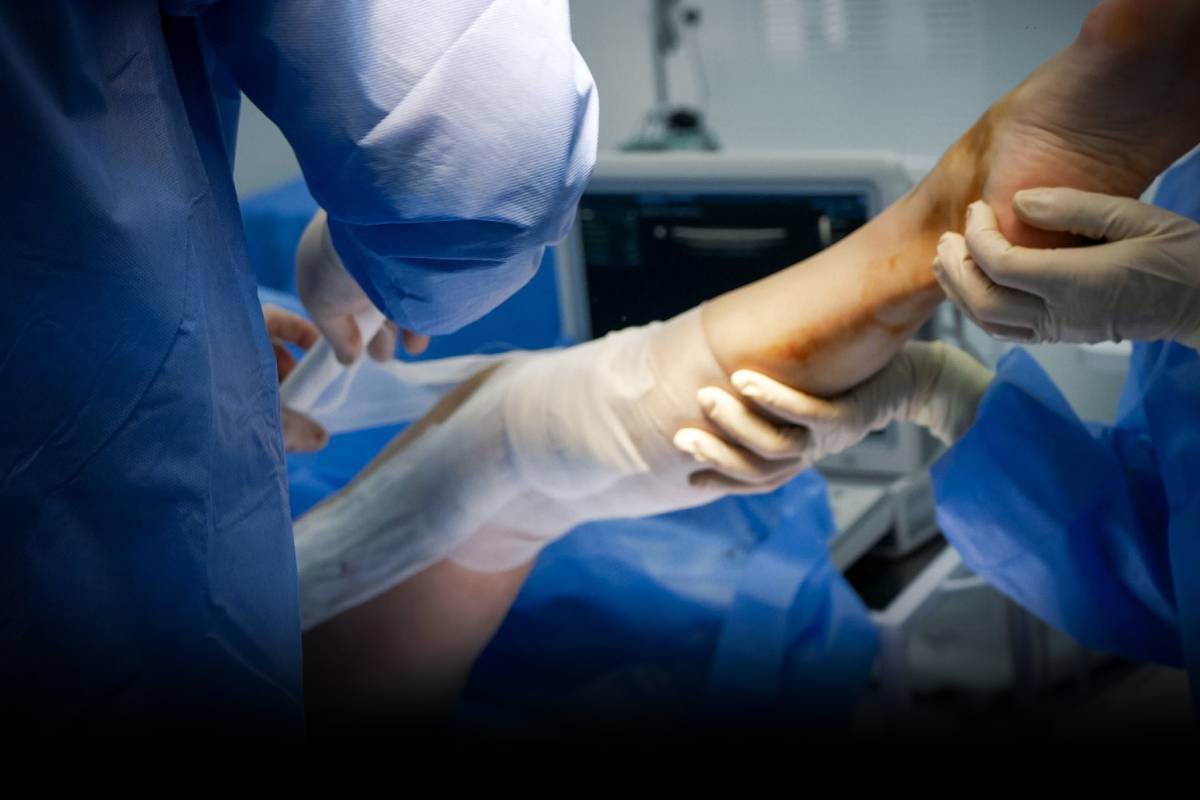
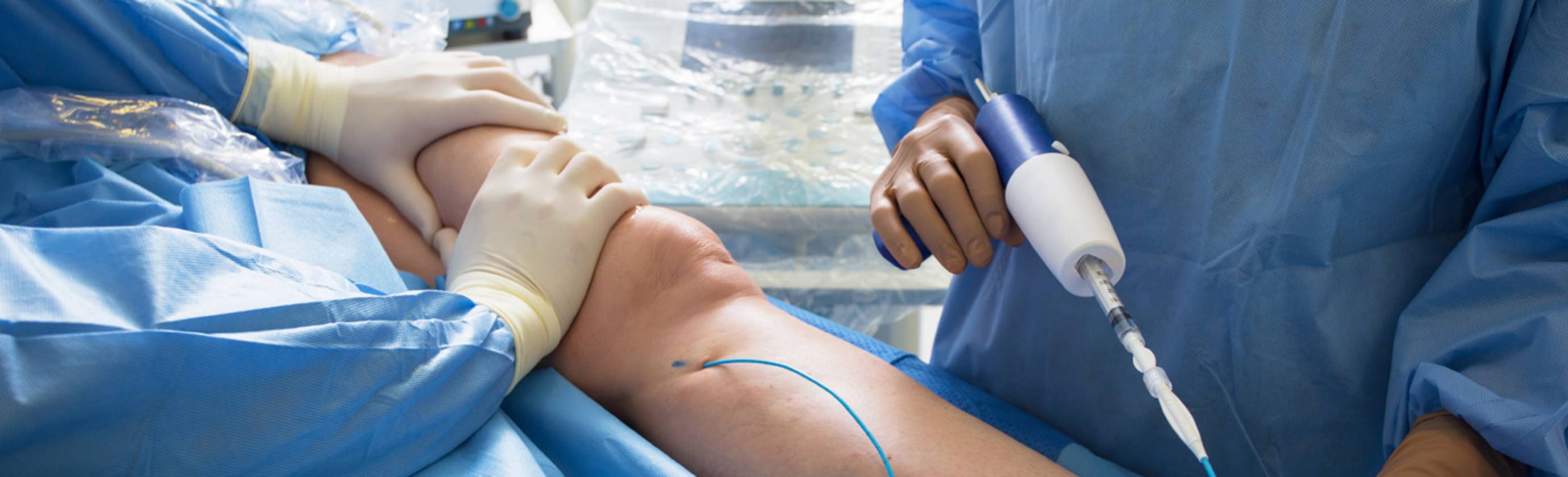
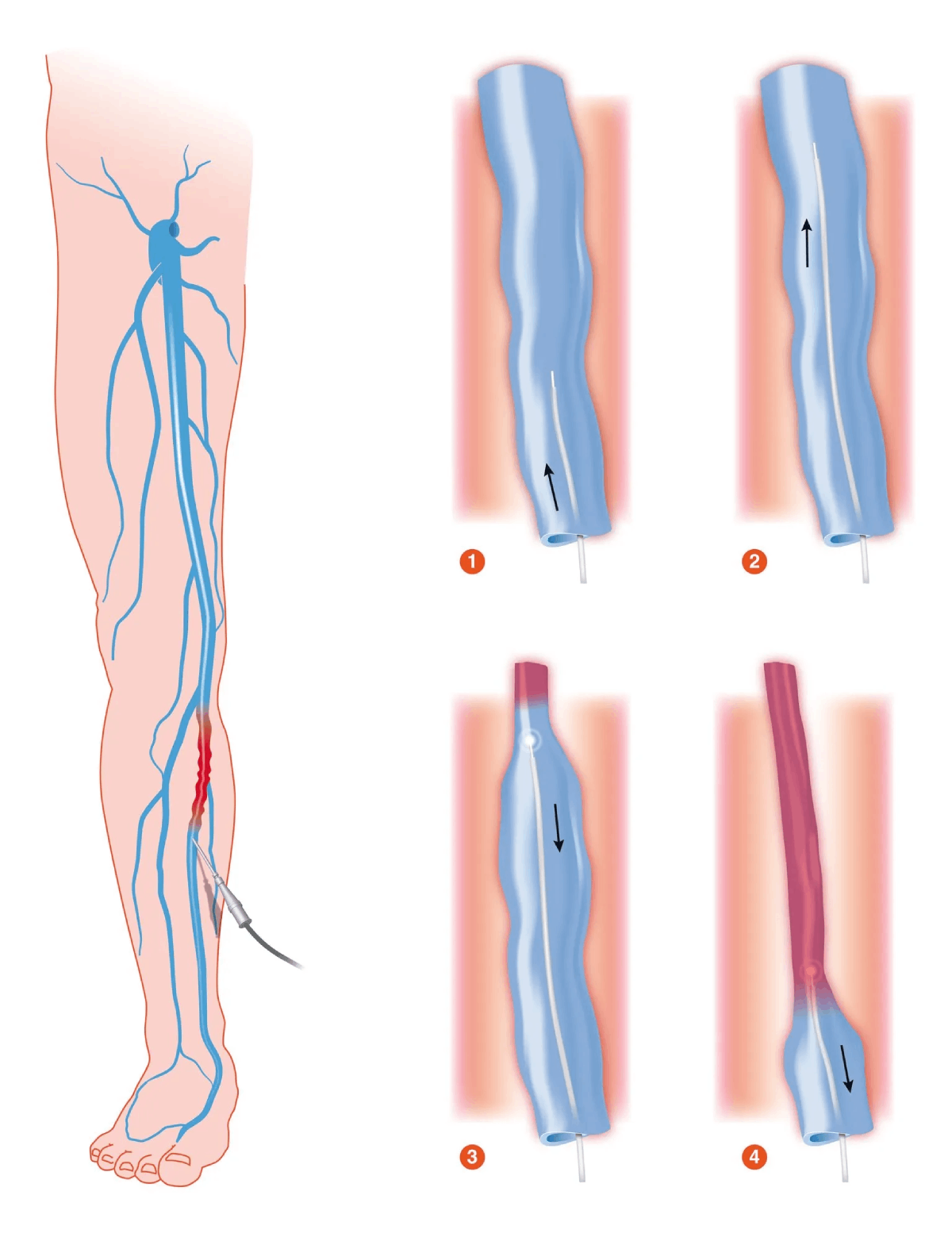
Before the procedure, your surgeon uses ultrasound imaging to identify the affected vein and map out the treatment area. After numbing the skin with a local anesthetic, a small catheter is inserted into the vein through a tiny puncture in the skin. Using continuous ultrasound guidance, the catheter is positioned along the length of the diseased vein. Controlled heat—generated by either radiofrequency energy or a laser fiber—is then delivered through the catheter, causing the vein walls to collapse and seal shut. Over time, the treated vein is naturally broken down and absorbed by the body.
How Endovenous Ablation Works
Endovenous ablation is performed in the office and typically takes less than an hour. Because the procedure requires only local anesthesia, patients remain awake and comfortable throughout treatment. The tiny access site usually does not require stitches and leaves little to no visible scarring.
Recovery is generally quick and uncomplicated. Patients are encouraged to begin walking immediately after the procedure to promote healthy circulation and reduce the risk of blood clots. Most people return to work and their normal daily routine within a day or two, although strenuous exercise and heavy lifting may be limited for a short period. Compression stockings are often recommended for several days to support healing and maximize treatment results.
For many patients, endovenous ablation provides long-lasting relief from the symptoms of venous insufficiency while reducing the appearance of varicose veins. If additional surface veins remain after treatment, they can often be addressed with complementary procedures such as sclerotherapy or microphlebectomy to achieve the best overall outcome.
Why Thunderbird Vein
At Thunderbird Vein, we are proud to offer endovenous ablation procedures to the Phoenix community. Endovenous ablation procedures have a 98% success rate in the treatment of varicose veins, and rarely cause negative side effects. With an endovenous ablation procedure, you can expect to spend approximately an hour at the clinic for the actual procedure.
When you are recovering from an endovenous ablation procedure, you will need to be active for the two hours following the procedure to prevent clotting. Your surgeon will walk you through any more specific care instructions after the procedure is complete. Frequently, you may be asked to come in after a few days for a followup ultrasound. This is simply to ensure you are healing properly.
At Thunderbird Vein, you can expect not only cutting edge endovenous ablation procedures, but also top-of-the-line customer service from all of our staff. We are passionate about what we do, and treat every patient with the same care we would give to our own family.
Give Thunderbird Vein in Phoenix, Arizona a call today to learn more about our endovenous ablation procedures and other varicose and spider vein treatments, discuss insurance coverage, or schedule your consultation.
We look forward to serving you!

Schedule a consultation today
Enter your information below and we'll call you to schedule a consult.