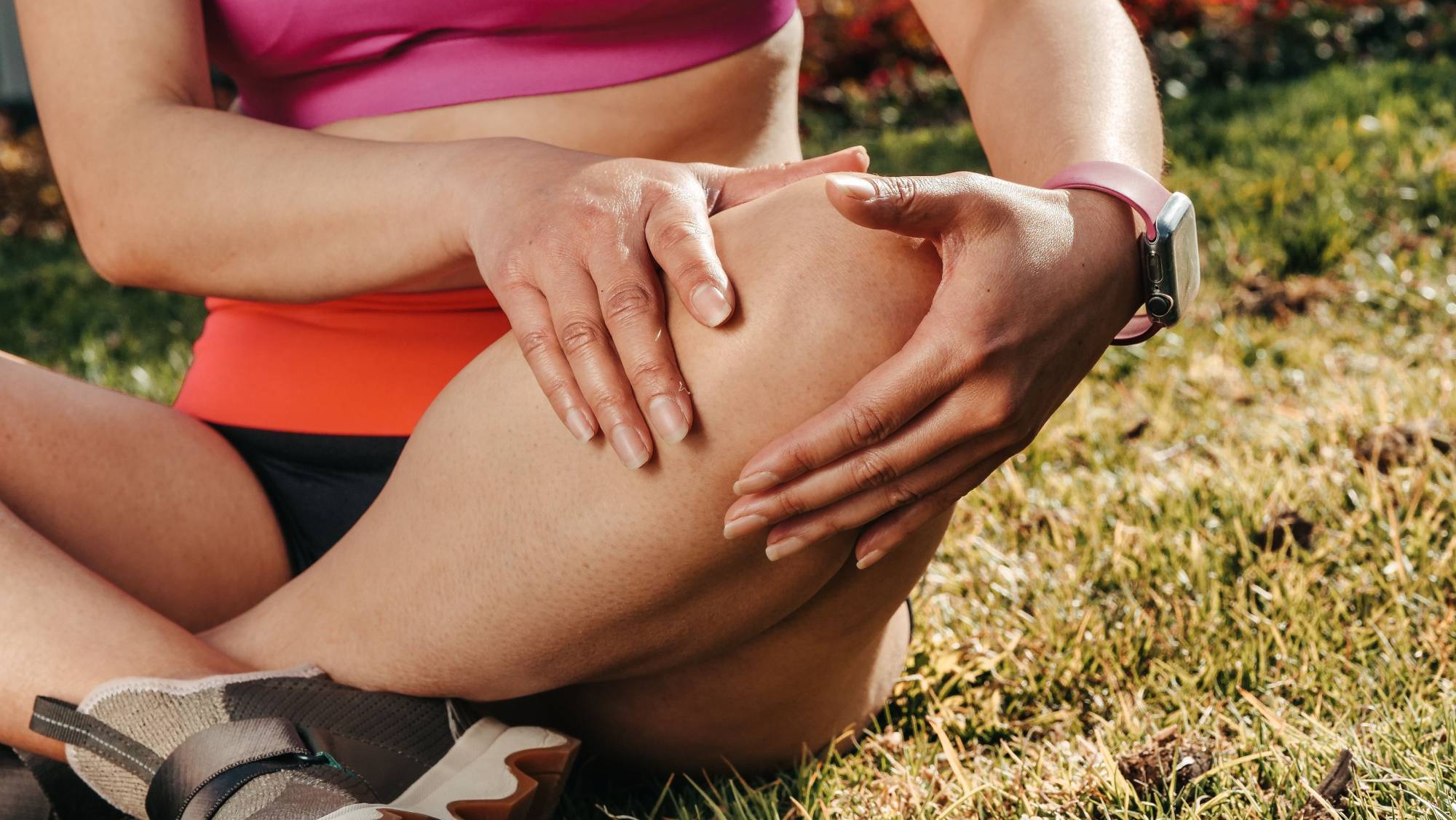
Varicose veins are best known for the bulging, rope-like veins you can see on the legs. But the same vein problem behind them can also cause persistent swelling in the ankles and lower legs. In some people, it can strain the lymphatic system too. Here’s how the two are connected and what to do about it.
How Varicose Veins Lead to Swelling
Healthy leg veins have one-way valves that keep blood moving up toward the heart, working against gravity. When those valves weaken or fail, blood leaks backward and pools in the lower legs. Doctors call this chronic venous insufficiency.
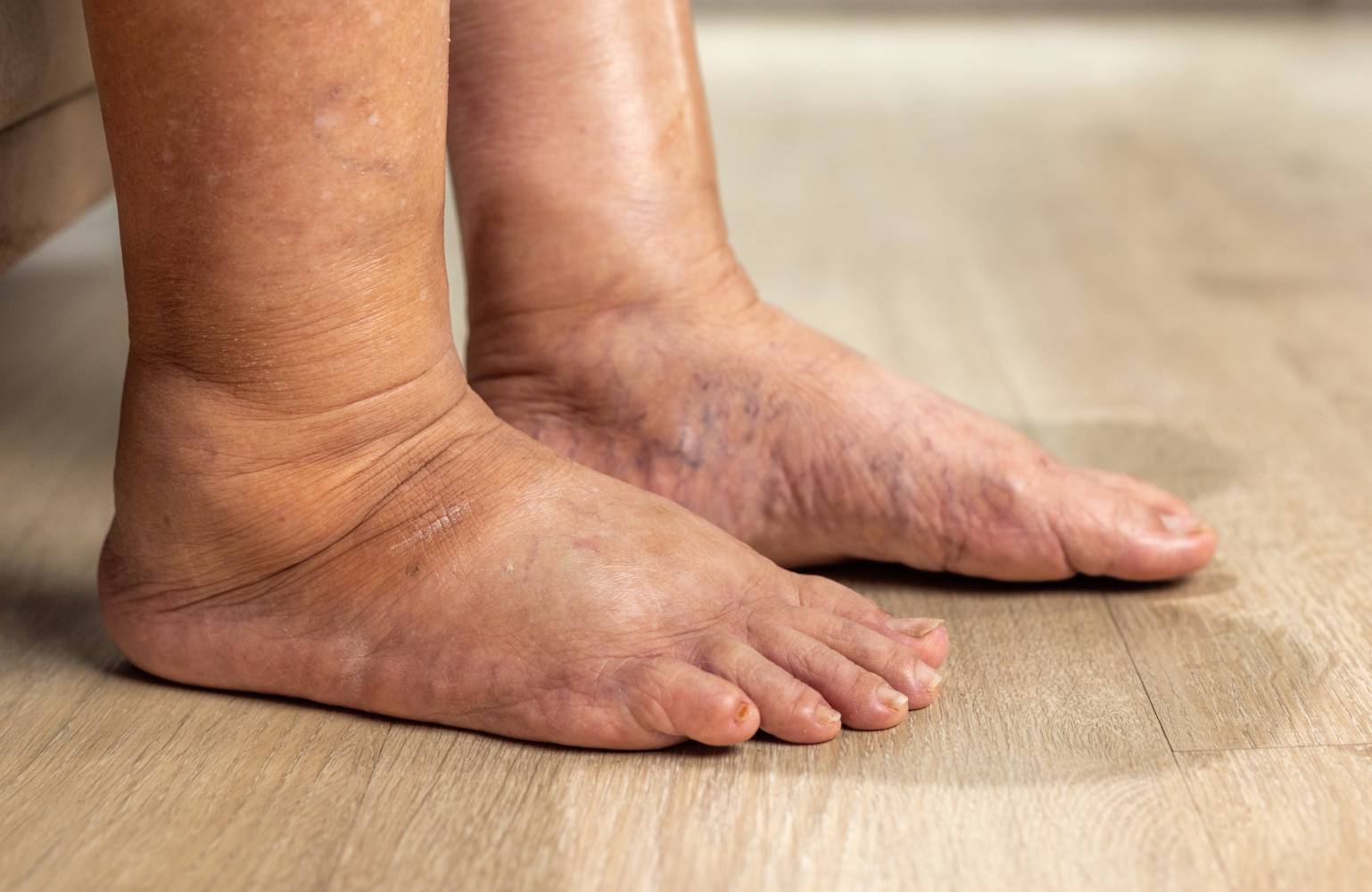
The extra pressure pushes fluid out of tiny blood vessels and into the surrounding tissue. If the lymphatic system can’t clear that fluid fast enough, swelling builds up around the ankles and calves. It usually gets worse after long stretches of standing or sitting and eases when you put your feet up.
Chronic venous insufficiency can also bring aching, heaviness, itching, and darkening of the skin. In advanced cases it can cause open sores near the ankles.
Where Lymphedema Comes In
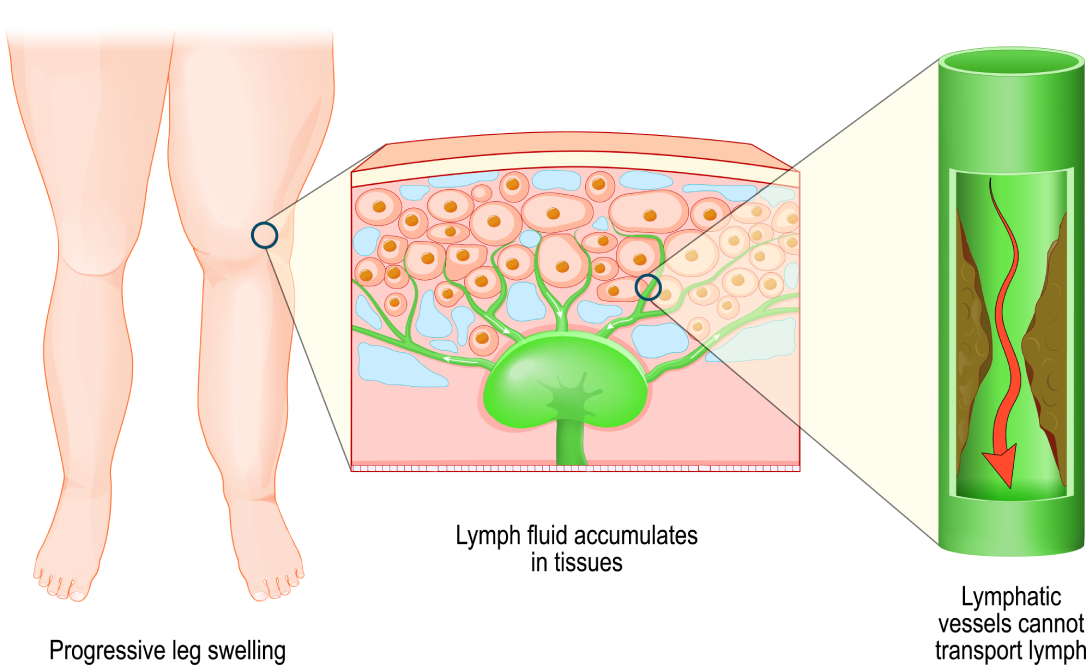
Your lymphatic system drains excess fluid, proteins, and waste from your tissues and returns them to the bloodstream. Lymphedema develops when it can’t keep up.
Long-standing venous insufficiency can overload this system. Over time, ongoing inflammation and changes in the tissue can damage the lymphatic vessels themselves. When vein disease and lymphatic problems occur together, it’s called phlebolymphedema.
There are a few signs that lymphedema may be involved:
- Swelling that doesn’t go down when you elevate your legs
- Swelling that reaches the feet and toes
- Skin that gradually thickens or hardens
Because vein disease and lymphedema often overlap, it’s important to identify both.
Other Causes of Leg Swelling
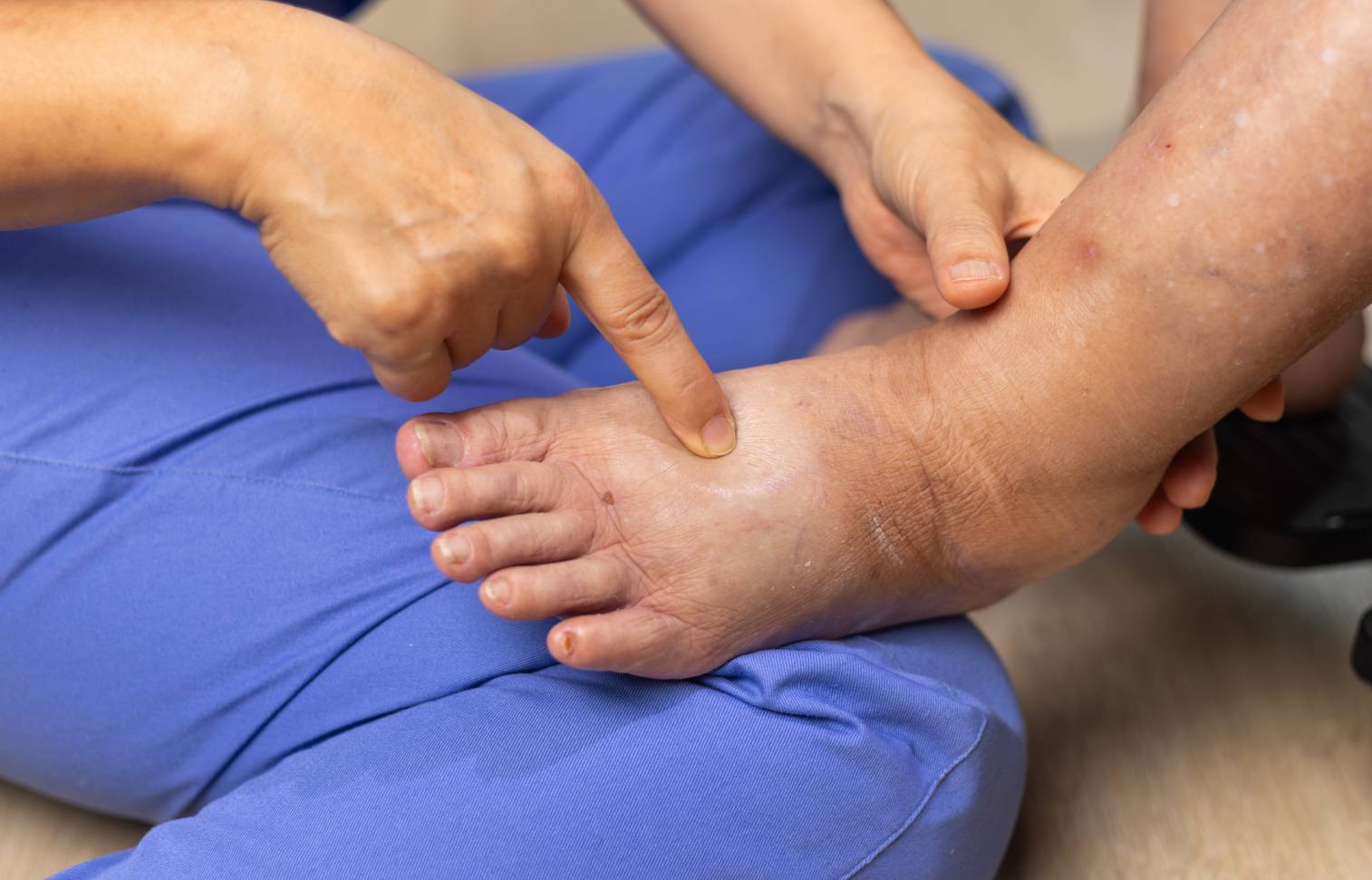
Varicose veins aren’t the only possible cause. Lymphedema can also result from lymph node removal or damage during surgery, radiation therapy, infections, trauma, or inherited lymphatic conditions.
Swelling can also come from heart, kidney, or liver disease, certain medications, blood clots, or long periods of sitting or standing. These conditions don’t all cause true lymphedema, but they can look similar. That’s why it’s worth getting evaluated before assuming your veins are the culprit.
Can Treating Varicose Veins Help?
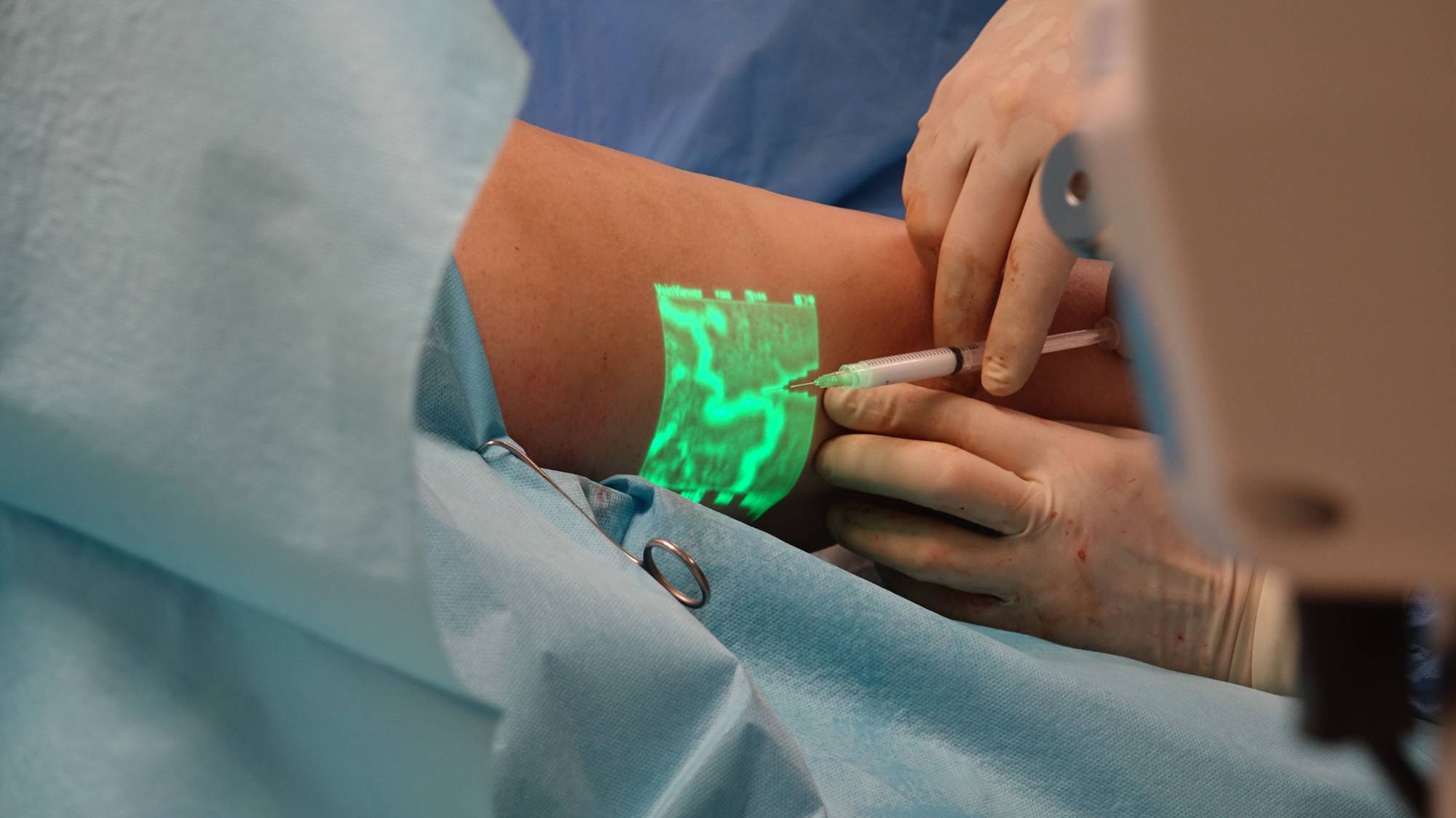
Often, yes. Treating the underlying vein problem lowers pressure in the leg and can reduce swelling. Depending on what’s going on, options include compression stockings, lifestyle changes, and procedures such as endovenous ablation or sclerotherapy.
Everyday habits help too: walking regularly, elevating your legs when you rest, breaking up long periods of sitting or standing, and maintaining a healthy weight.
One caveat is that treating the veins won’t necessarily reverse lymphedema that has already set in. If lymphatic damage is present, you may also need compression garments, targeted exercise, skin care, and manual lymphatic drainage.
When to See a Vein Specialist
Don’t ignore leg swelling that sticks around, especially if you also have visible varicose veins, skin discoloration, discomfort, or sores that heal slowly. An exam and, if needed, a venous ultrasound can pinpoint the cause.
Get urgent care if one leg swells suddenly, particularly with pain, warmth, or redness, since this could be a blood clot. Swelling along with chest pain or shortness of breath is an emergency. Call 911.
Struggling with leg swelling or varicose veins? Schedule a consultation with vein expert Dr. Jordan Glenn or call (602) 843-8317 to find out what’s causing your symptoms and which treatment options make sense for you.
This article has been reviewed by Dr. Jordan Glenn.